Swedwatch report highlights important issues
Swedwatch has presented an updated briefing report on the human rights impacts of Buchanan Renewables Fuel in Liberia in conjunction with Vattenfall and Swedfund’s exit of the project in 2012.
Swedwatch has presented an updated briefing report on the human rights impacts of Buchanan Renewables Fuel in Liberia in conjunction with Vattenfall and Swedfund’s exit of the project in 2012.
Swedfund invests USD 10 million to enable small and medium-sized enterprises, SMEs, in Sub-Saharan Africa to access growth capital and thereby expand their operations. The investment is in TLG Credit Opportunities Fund (COF).
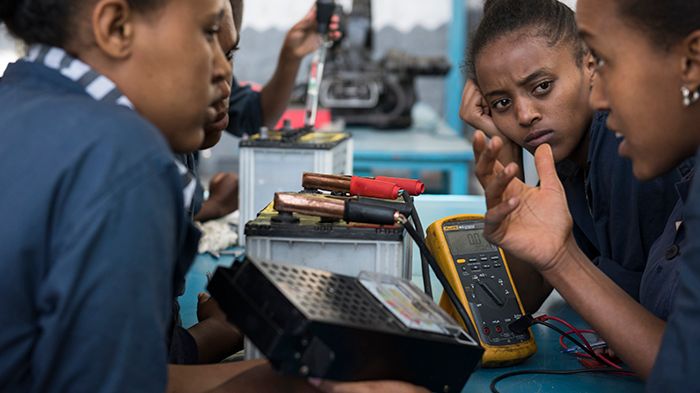
The Swedish Development Finance Institution, Swedfund, invests 5 million USD in the Kenyan bank Victoria Commercial Bank, VCB. The loan is directed at the bank’s small and medium-sized enterprises, SMEs, and is part of Swedfund’s mission to reduce poverty through sustainable business.
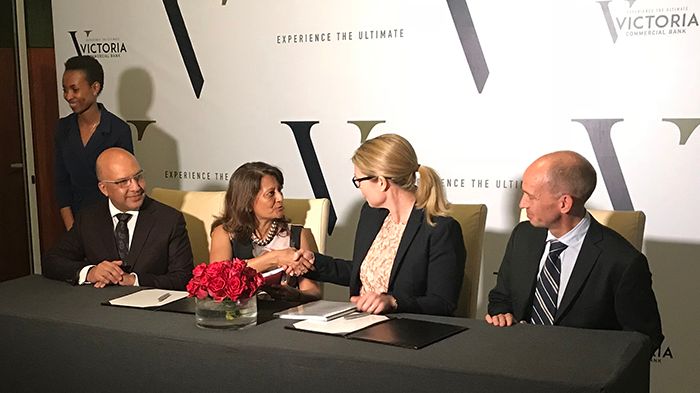
Sweden’s development finance institution Swedfund is investing SEK 126 million in the Evolution II Fund, which is focused on clean energy supply and resource efficiency in Sub-Saharan Africa. The investment will be used to develop, build and run power stations producing renewable energy. Other investors include the African Development Bank and several European development finance institutions.
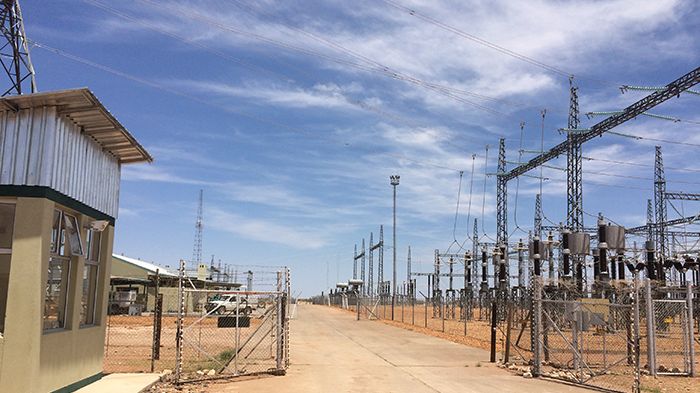
Sweden’s Development finance institution Swedfund has invested USD 10 million in each of the funds Advanced Finance & Investment Group (AFIG) Fund II and Catalyst Fund II. These funds, established in the expansive regions of West and East Africa, enable us to contribute to continued growth in small and medium-sized businesses, which are essential for increased job creation.
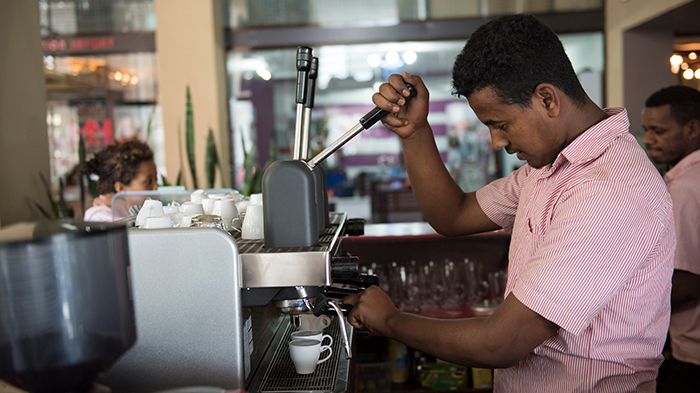
The Development finance institution Swedfund is providing a loan of USD 10 million to Access Bank. Access Bank is one of the leading banks in Nigeria and the loan will be used for businesses operating throughout the entire agricultural value chain, which employs over half of the country’s workforce.
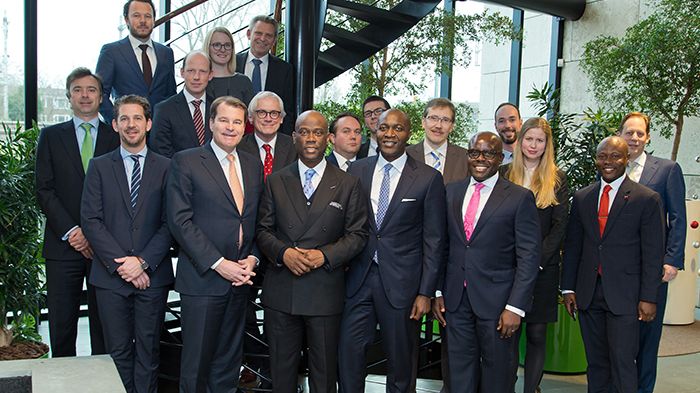
The Development finance institution Swedfund is investing in Cambodia’s largest microfinance company, Prasac Microfinance Institution Ltd (Prasac), through a loan of USD 15 million. The loan will be used for on-lending to the country’s micro businesses and SMEs, which account for the majority of jobs in the country.
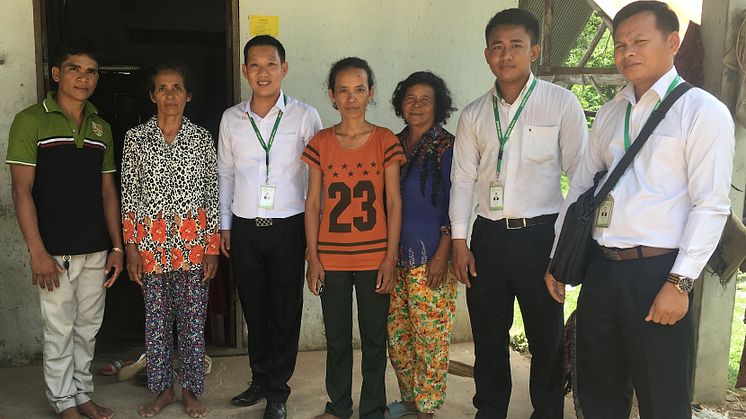
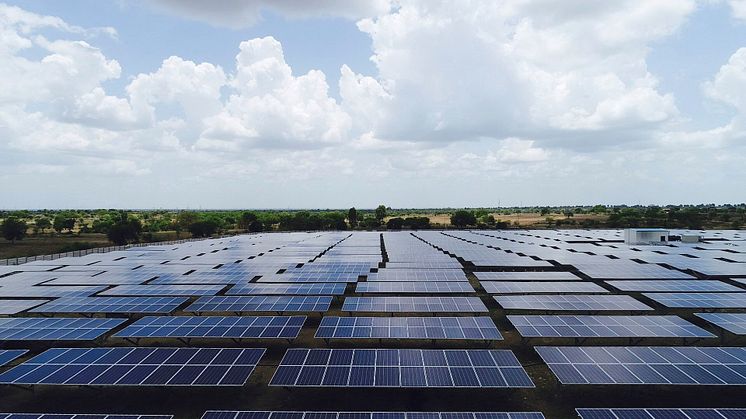
Husk Power Systems, a leading rural distributed utility company operating mini-grids in Asia and Africa, today announced a US $20 million equity investment* by Shell Technology Ventures LLC, Swedfund and ENGIE Rassembleurs d’Energies. Husk is now positioned to accelerate its growth to develop what the International Energy Agency estimates as a $190 billion mini-grid market leading up to 2030.
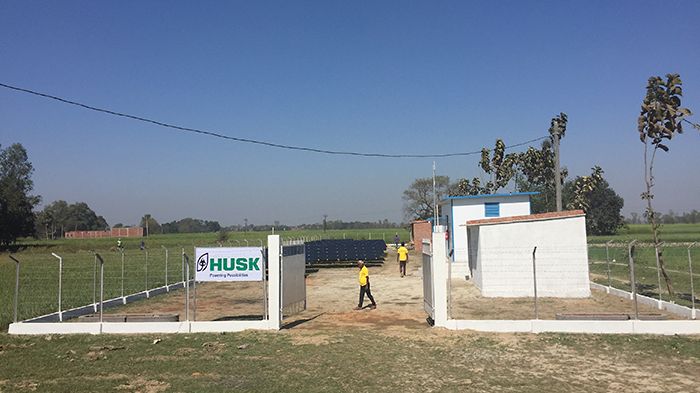
Swedfund, Sweden’s development finance institution, has made an incremental commitment of MUSD 5 to Renewable Energy Asia Fund II (REAF II) and further strengthened its contribution to the build-out of renewable energy in developing Asian countries.
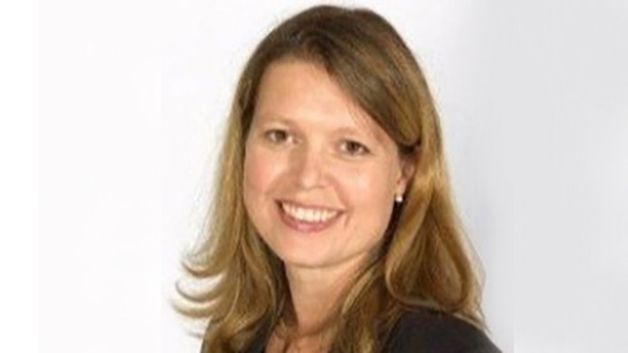
Swedfund’s Board has appointed Maria Håkansson as the new CEO. Maria Håkansson joins Swedfund from Ericsson, where she was Vice President Internet of Things (IoT). Maria Håkansson has held a number of senior roles at Ericsson.
Swedwatch has presented a research report around the human rights impact from Swedfund’s investment in Addax Bioenergy during the investment period and in connection with the exit in 2015. Gerth Svensson, acting CEO of Swedfund, comments.
We have focused our efforts in the sectors deemed best able to achieve development, which is in line with our mission. Where we have the greatest opportunity to generate benefits depends on a number of factors, such as experience in the sector and where we can best achieve results in equality, the environment and the creation of jobs.
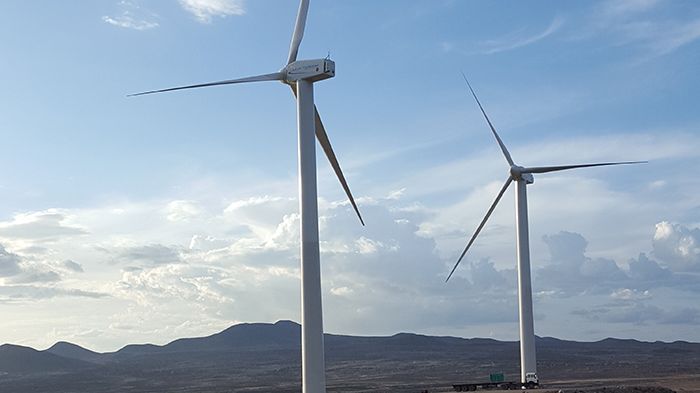
Sustainable energy for all is an explicit goal in Agenda 2030. It is also a prioritised sector for Swedfund’s investments. Electrification drives development, and is essential for jobcreation and combating poverty.
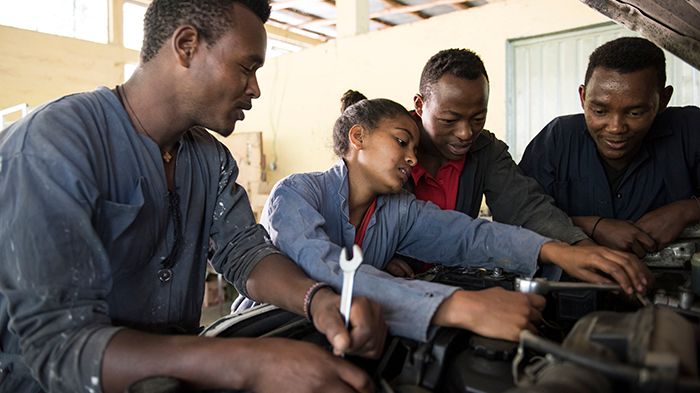
An effective finance sector is fundamental for a country’s economic growth. By investing in banks and funds, Swedfund contributes to financial inclusion, job creation and sustainable businesses.
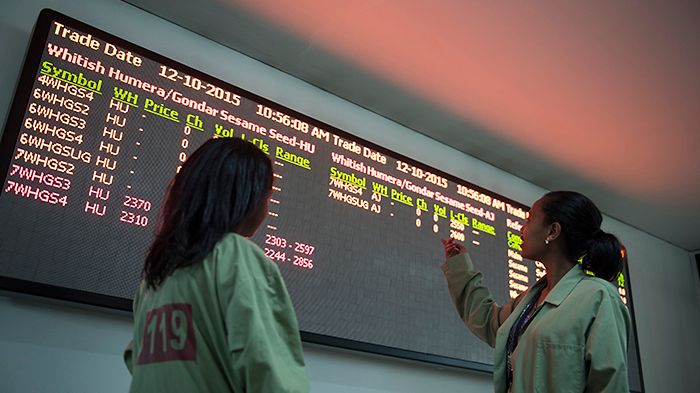
Financing for sustainable development can come from several sources; aid, private capital, domestic tax-based financing and from development finance institutions. The sources of finance can be regarded as different, but complimentary, tools in the fight for sustainable development. Here we explain about the tools, focusing on what the development finance institution achieves.
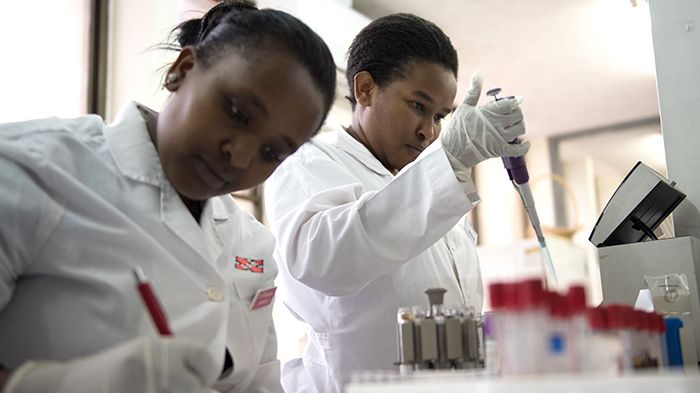
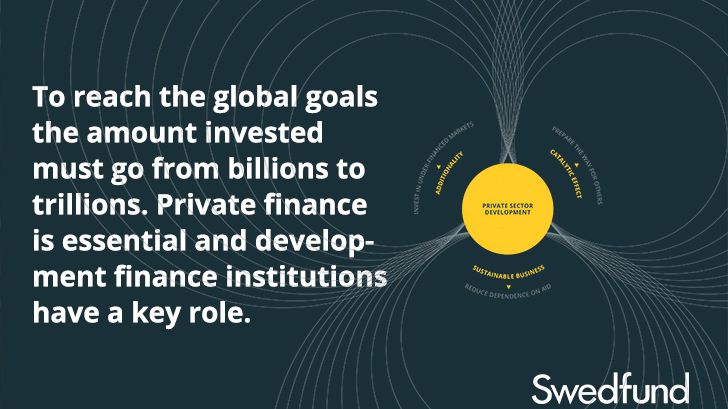
Our joint ability to mobilise finance is decisive if we are to achieve the global goals. The traditional sources of finance are insufficient: the amount invested must go from billions to trillions. This makes private finance essential.
The Development finance institutions Swedfund of Sweden and FMO of the Netherlands have agreed to provide NMB Bank with a line of credit for lending to exporting small and medium enterprises (SMEs) in Zimbabwe.
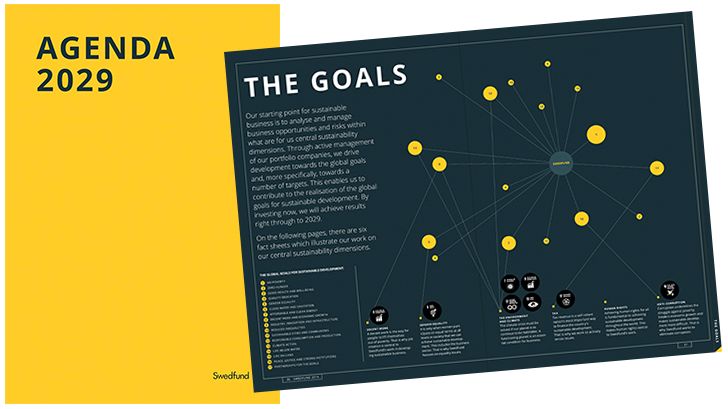
2016 is the first year on the road towards the global goals. It is the first year all countries are following a common agenda to root out extreme poverty and counteract the climate threat. Swedfund’s Integrated Report 2016 explains how we integrate the global goals in our business model and investment process.
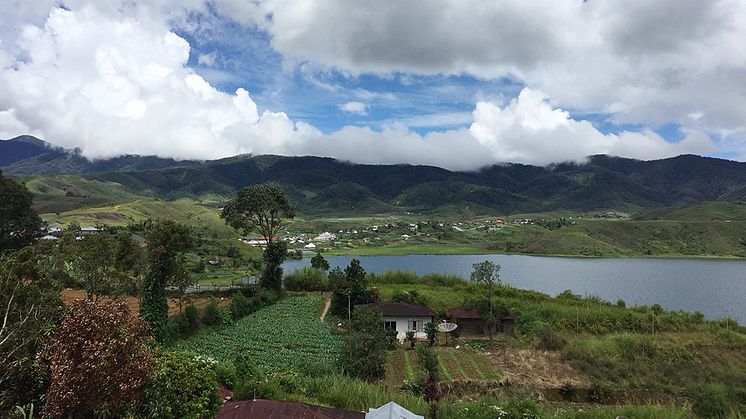
Swedfund, Sweden’s development finance institution, is committing MUSD 10 to Renewable Energy Asia Fund II L.P. The fund invests in small and medium-sized renewable energy projects in South and Southeast Asia.
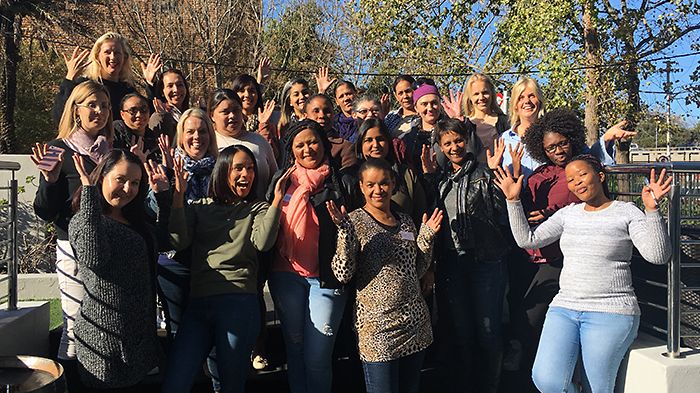
The Rezidor Hotel Group, one of the most dynamic hotel groups in the world and Swedfund International AB, the Development Finance Institution of the Swedish state, have joined forces to host the Women4Growth workshop with the purpose of enabling more women to reach management positions.